Why Does My Fireplace Smell in Summer?

For Pittsburgh homeowners, chimney care is rarely about one isolated component. The visible brick above the roof, the crown and cap at the top, the flashing at the roofline, and the flue and fireplace components inside all work together. A problem that looks simple from the room can have a different source higher in the system.
This topic matters locally because Pittsburgh chimneys are exposed to rain, snow, winter freezing and repeated temperature changes. Masonry is porous, and existing cracks or deteriorated joints can admit water. When wet masonry freezes, the expansion can worsen weak areas over time. That does not mean every older chimney needs major work; it means diagnosis should be based on the actual condition rather than age alone.
What homeowners are really asking
Most people searching for fireplace odor Pittsburgh are trying to answer a practical question: what is happening, how serious is it, and what should happen next? For this subject, the important points are creosote odor, humidity, air conditioning, downdraft. Those items should be considered together instead of assuming the first visible symptom identifies the entire problem.
A useful inspection or service visit should separate observations from recommendations. Homeowners should be able to see photos or video when practical, understand which component is affected, and know whether the issue is maintenance, a localized repair, or a larger project.
Pittsburgh-specific considerations
Western Pennsylvania weather makes moisture management especially important. Crowns, mortar joints, brick faces and flashing can deteriorate at different rates. A cap can help protect a flue opening, but it cannot repair a cracked crown. Repointing can renew failed mortar joints, but it cannot correct unstable masonry. Waterproofing can reduce liquid-water absorption when an appropriate breathable product is used, but it should not be used to hide open joints or failed flashing.
That is why Lincoln Chimney Services looks at the chimney as a system. The goal is to identify the cause before choosing the repair.
What to look for
From a safe location, homeowners can watch for new cracks, flaking brick, missing mortar, rust, staining, loose chimney-top components, debris near the base of the home, water marks around the fireplace, unusual odors, or changes in fireplace draft. Do not climb onto a roof simply to inspect a chimney.
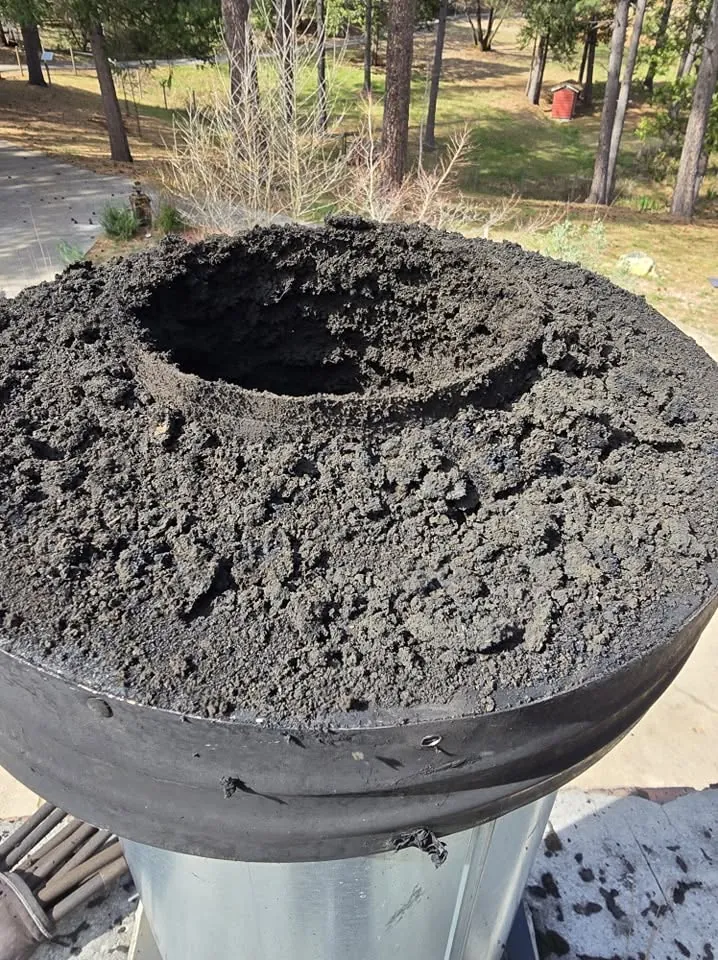
Inside a wood-burning system, changes in smoke behavior or heavy visible deposits also deserve attention. If smoke is entering the room, an animal or obstruction is suspected, or there may have been a chimney fire, stop using the fireplace until the condition is evaluated.
Inspection, cleaning and repair are different
Inspection establishes condition. Cleaning removes deposits when needed. Repair corrects a defect. These services overlap, but they are not interchangeable.
CSIA homeowner guidance follows the NFPA 211 framework calling for annual inspection of chimneys, fireplaces and vents, with cleaning, maintenance and repairs performed when necessary. That is more useful than assuming every chimney automatically needs the same work on the same calendar.
For wood-burning fireplaces, fuel and operation matter too. EPA guidance recommends dry, seasoned wood; wetter wood tends to burn cooler and smokier. Good burning practices can reduce avoidable smoke and deposit formation, but they do not replace inspection.
Questions to ask before approving work
Ask what was observed, where it is located, how the condition was documented, what repair is proposed, what materials will be used, and whether another component is contributing to the problem. For larger projects, compare scope rather than only the bottom-line price.
At Lincoln Chimney Services, clear pricing before approved work begins is part of the process. A homeowner should understand what the team found and what the proposed work is intended to correct.
When to schedule service
Do not wait for the first cold weekend if you already know the chimney needs attention. Spring and summer can be useful times to evaluate masonry and water-entry issues, while late summer and early fall are natural times to prepare a fireplace for heating season.
If you recently bought a home, do not know the chimney's history, changed an appliance, noticed water, found loose masonry, or are returning an unused fireplace to service, an inspection can establish a baseline.
Local service from Lincoln Chimney Services
Lincoln Chimney Services has served the Pittsburgh area since 1993. We work on chimney cleaning, inspections, masonry repairs, crowns, caps, liners, leaks, flashing, waterproofing, fireplace repairs and related chimney systems throughout Pittsburgh and surrounding communities.
Call 412-459-7788 or request service through request service online.
Frequently asked questions
Is this problem always a major repair?
No. The scope depends on the component and extent of deterioration. Localized defects may have localized solutions.
Can I diagnose it from the ground?
You can notice warning signs, but many important areas are difficult or unsafe for a homeowner to access.
Will one repair solve every chimney leak?
Not necessarily. Cap, crown, flashing and masonry are different water-entry paths.
Should I wait until fall?
If you already see damage or water entry, earlier evaluation can leave more time for repair before heating season.
Talk to Lincoln Chimney Services. Serving Pittsburgh and surrounding communities since 1993. Call 412-459-7788 or request service online — we'll explain what we find and provide clear pricing before approved work begins.