Chimney Inspection
A thorough look at the structure, flue and connections.
Learn moreA chimney safety inspection focuses on one question: is this chimney safe to use? We check the flue, structure and connections for the specific hazards that put a home at risk — creosote, blockages, liner damage and paths for heat or gas to reach the house.
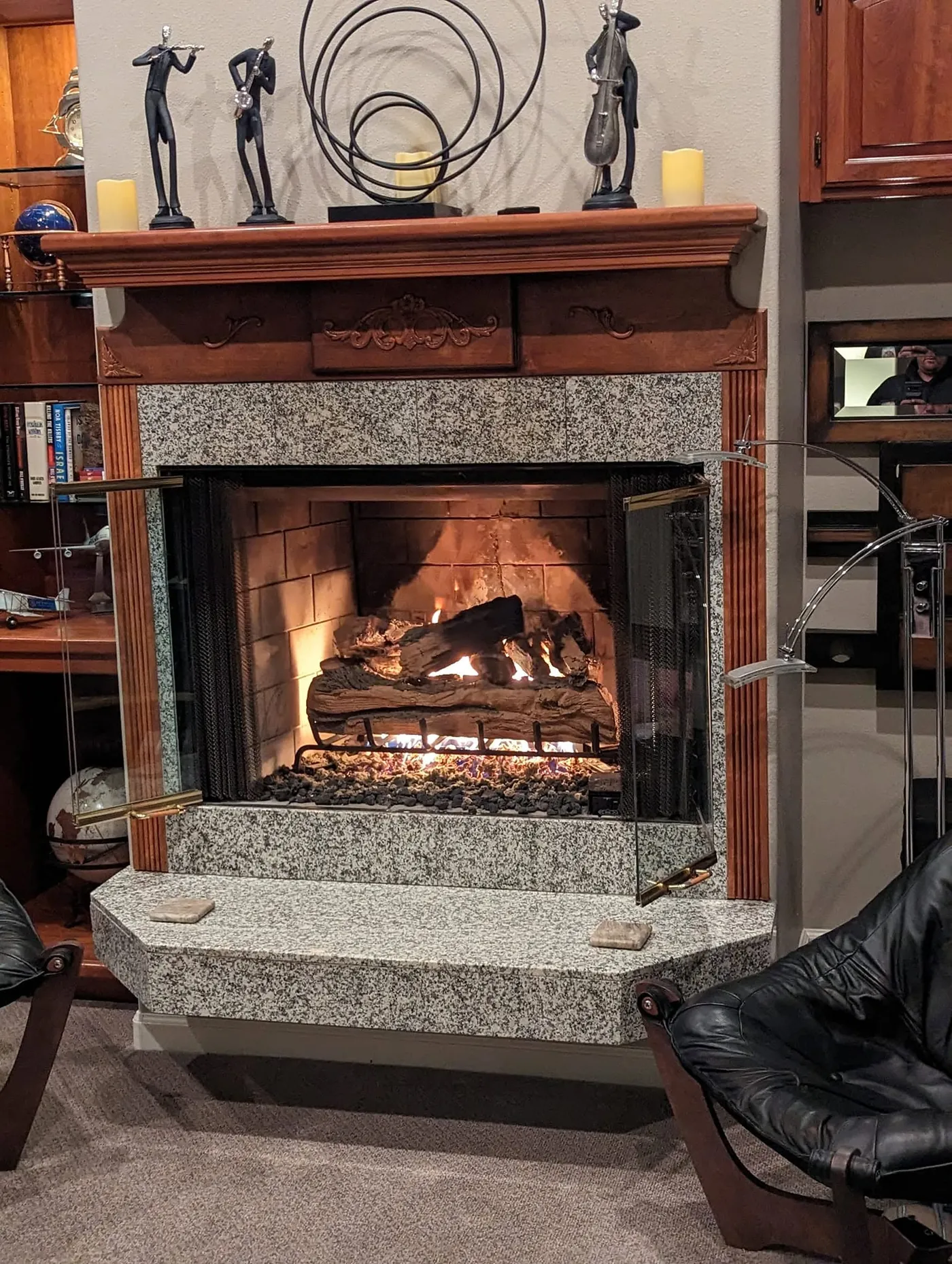
A chimney safety inspection focuses on one question: is this chimney safe to use? We check the flue, structure and connections for the specific hazards that put a home at risk — creosote, blockages, liner damage and paths for heat or gas to reach the house.
Before the first fire of the season, or any time you're unsure, it's worth confirming the chimney is safe rather than assuming it is. The two biggest risks — a chimney fire and carbon monoxide entering the home — often give little warning until something goes wrong.
We concentrate on the conditions that make a chimney unsafe to use.
Confirming the liner is intact and heat can't reach nearby combustible materials.
Checking for obstructions and confirming the chimney will draft properly.
A plain answer on whether it's safe to burn, and what to address if it isn't.
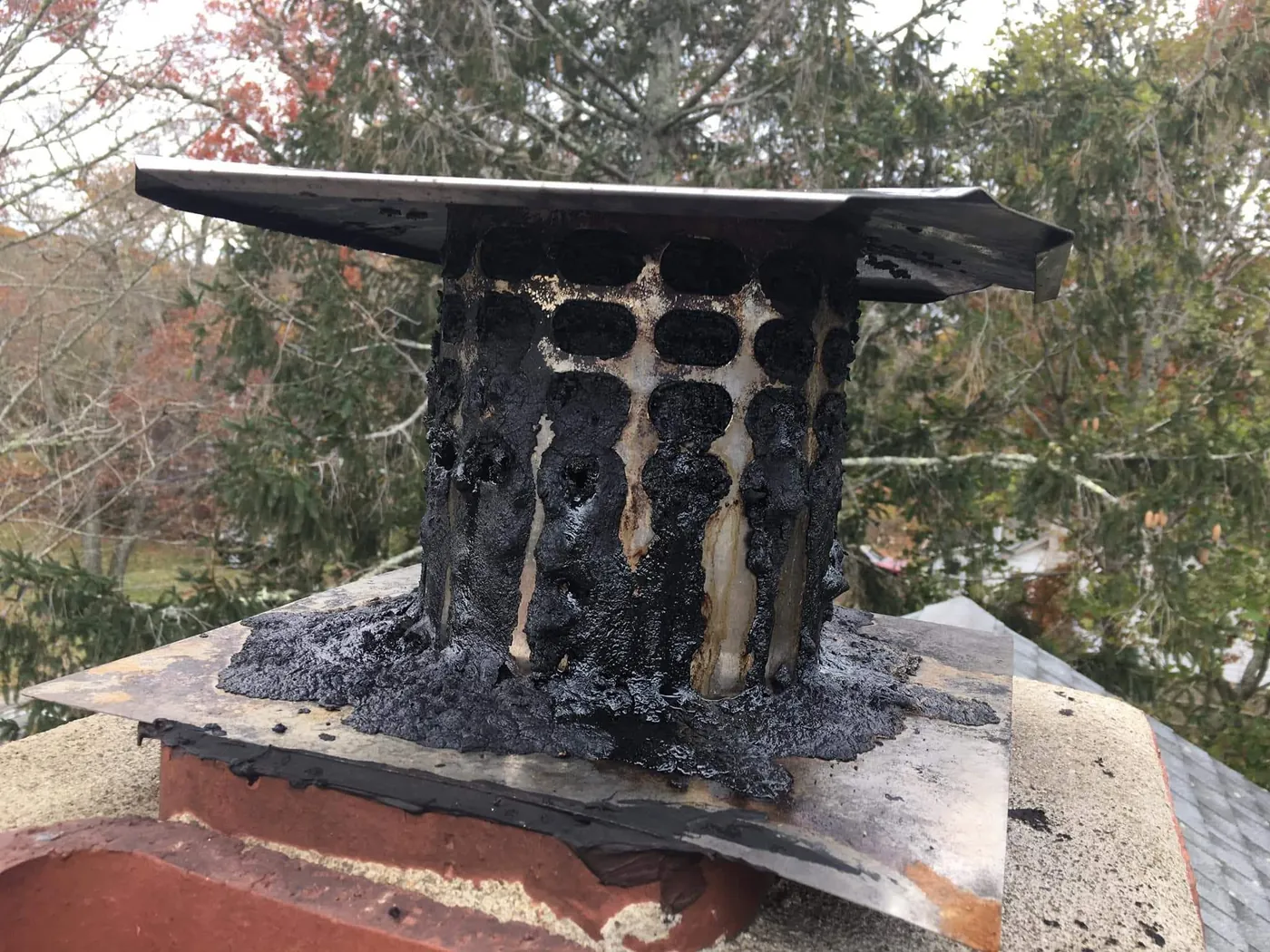
Carbon monoxide is odorless, and a compromised flue can let it back into living space without any obvious sign. A safety inspection specifically looks for the paths that allow smoke, heat and gas to escape the flue — which is why it's worth doing before you rely on the fireplace.
Before the first fire of the season is ideal, and any time you've moved into a home, noticed odors or poor draft, or gone a long stretch without a check.
They overlap heavily. A safety inspection frames the visual check around the question of whether it's safe to burn, and we'll always recommend a deeper Level 2 if anything suggests hidden damage.
A thorough look at the structure, flue and connections.
Learn moreThe standard yearly check for a chimney in regular use.
Learn more
Removing soot and creosote to keep your flue drafting safely.
Learn moreChecking the firebox, damper and connection to the flue.
Learn moreTalk to a Pittsburgh-area chimney and fireplace pro today.
412-459-7788