Chimney Sweeping
Traditional sweeping that clears buildup from the full flue.
Learn moreA wood fire leaves more behind than ash. Every time you burn, a layer of soot and creosote coats the inside of your flue, and over a season it builds into a fuel source of its own. Chimney cleaning removes that buildup so smoke and gases vent the way they should, and so the fire in your firebox stays in your firebox. Lincoln Chimney Services cleans chimneys for homeowners throughout Pittsburgh and the surrounding communities.
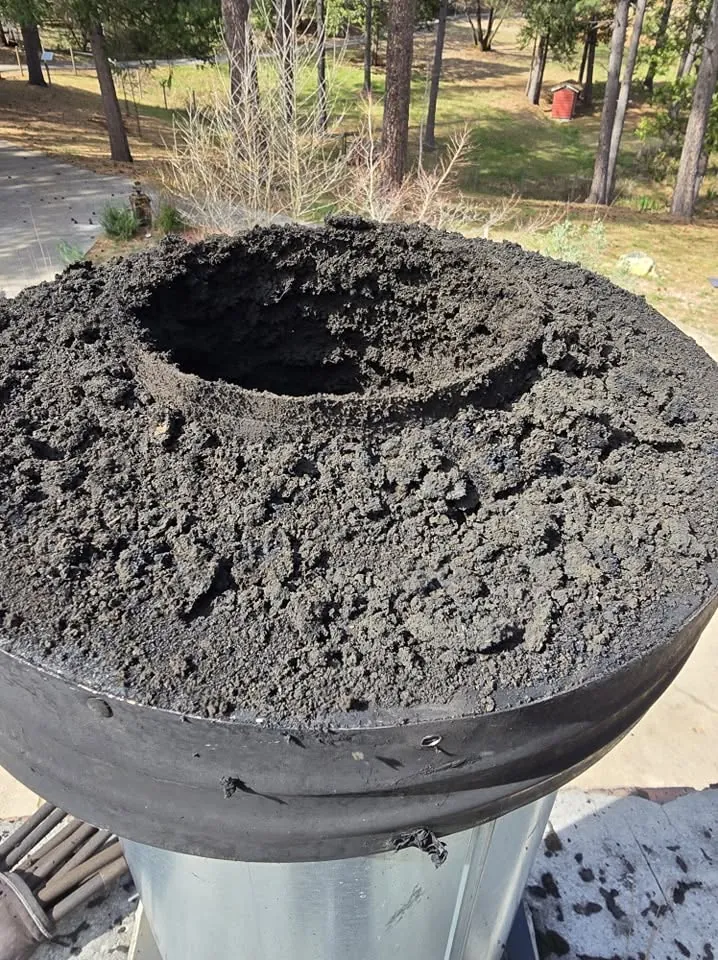
The dark residue inside a chimney is creosote, a byproduct of wood smoke that condenses on the cooler upper walls of the flue. It comes in stages: a light, flaky soot early on, then a thicker crust, and finally a hard, glazed layer that looks almost like tar. Each stage is harder to remove than the last, and each stage burns more readily.
A proper cleaning clears the flue from the smoke chamber up through the cap, along with the smoke shelf and the area behind the damper where debris collects. The goal isn't a showroom shine — it's a flue with enough clearance to draft correctly and little enough fuel on the walls that a stray spark has nothing to catch.
Two things go wrong when creosote is left to accumulate. The first is a chimney fire: glazed creosote ignites at high temperatures and burns hot enough to crack liners and damage masonry. The second is quieter but just as serious — a restricted or blocked flue pushes smoke and carbon monoxide back into the house instead of up and out.

You don't always need a calendar to know it's time. A few things homeowners notice:
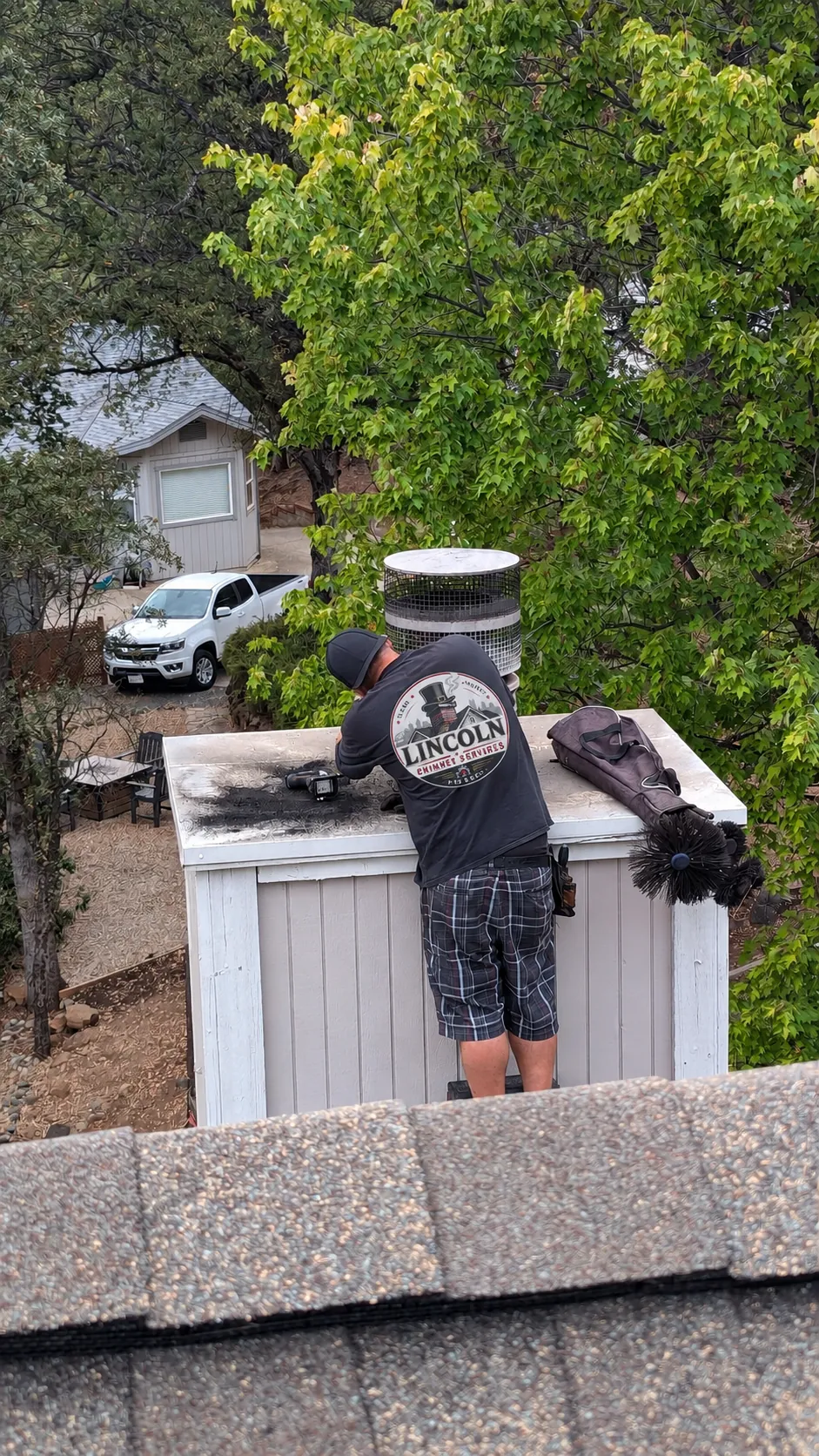
We work from the fireplace side wherever possible, sealing the opening and running professional rotary or brush-and-rod equipment up the flue while a vacuum captures the dust. On many homes we also work from the roof to reach the cap and the top of the flue. The technician checks the damper, smoke shelf and firebox as they go, so a cleaning doubles as a first look at the chimney's condition.
If we find heavy glazed creosote, a blockage, or damage that a brush can't address, we'll tell you what we saw and what it means before any additional work — no surprises, no pressure.
Many homes across the region burn wood through long Western Pennsylvania winters, and a lot of the housing stock is older, with clay-tile flues that grip creosote more than smooth stainless liners do. Damp conditions and freeze-thaw swings also mean buildup can hold moisture, which speeds up corrosion and masonry wear. Regular cleaning keeps small problems from compounding through the coldest months, when the fireplace gets the most use.
It depends on how much you burn and what you burn. Homes that use a wood fireplace regularly through the winter generally benefit from cleaning once a year. If you burn frequently or notice buildup, it may be worth doing more often. A yearly inspection helps you judge the right interval for your home.
It shouldn't be. We seal the fireplace opening and use vacuum equipment to contain soot and dust, and we protect the area around the hearth. A careful cleaning leaves your living space the way we found it.
Store-bought brushes remove some light soot, but they don't reach glazed creosote, they don't clear the smoke shelf and damper well, and they don't give you a look at the flue's condition. Professional cleaning removes more and catches problems a brush can't.
Both, in a sense. A cleaning includes a visual look at the parts we can reach, but it isn't a substitute for a full chimney inspection. Many homeowners pair the two so the flue is both clear and confirmed safe.
Traditional sweeping that clears buildup from the full flue.
Learn more
A thorough look at the structure, flue and connections.
Learn more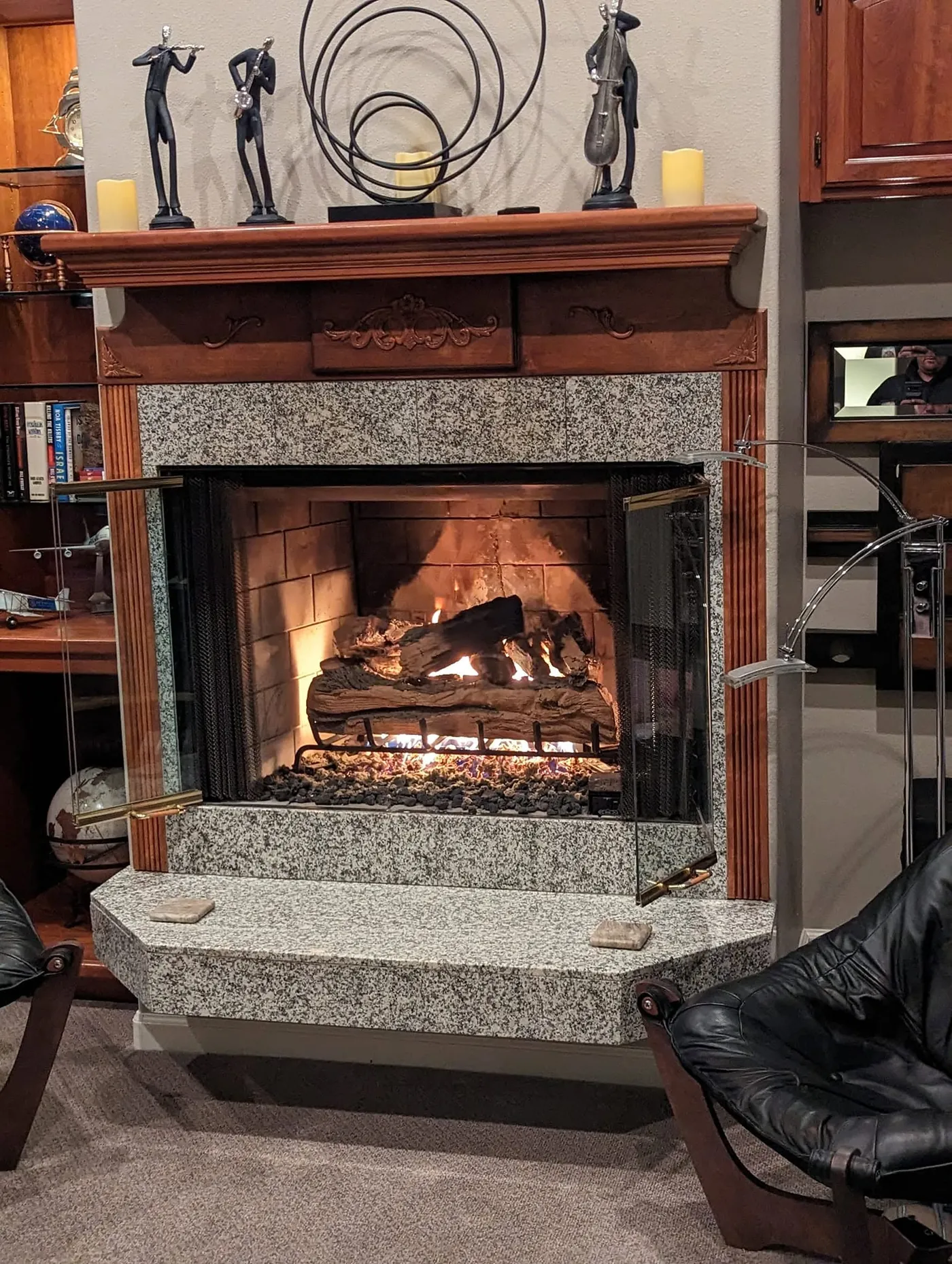
Confirming your chimney is safe to use before you light a fire.
Learn more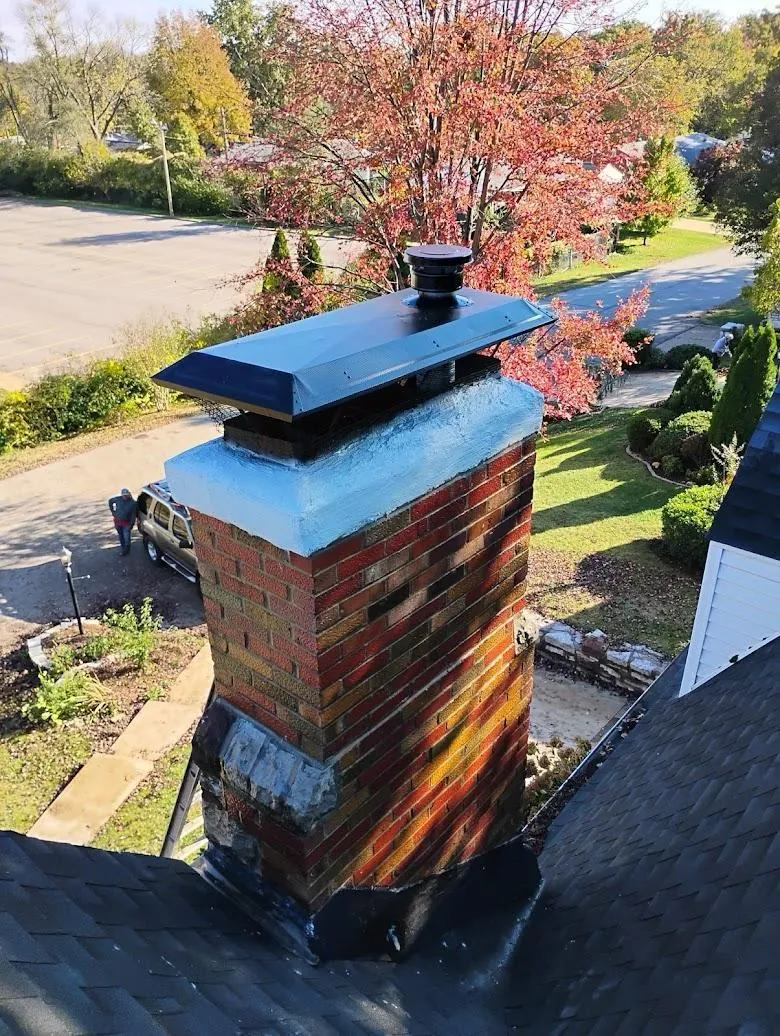
Fitting a cap to keep rain, animals and debris out of the flue.
Learn more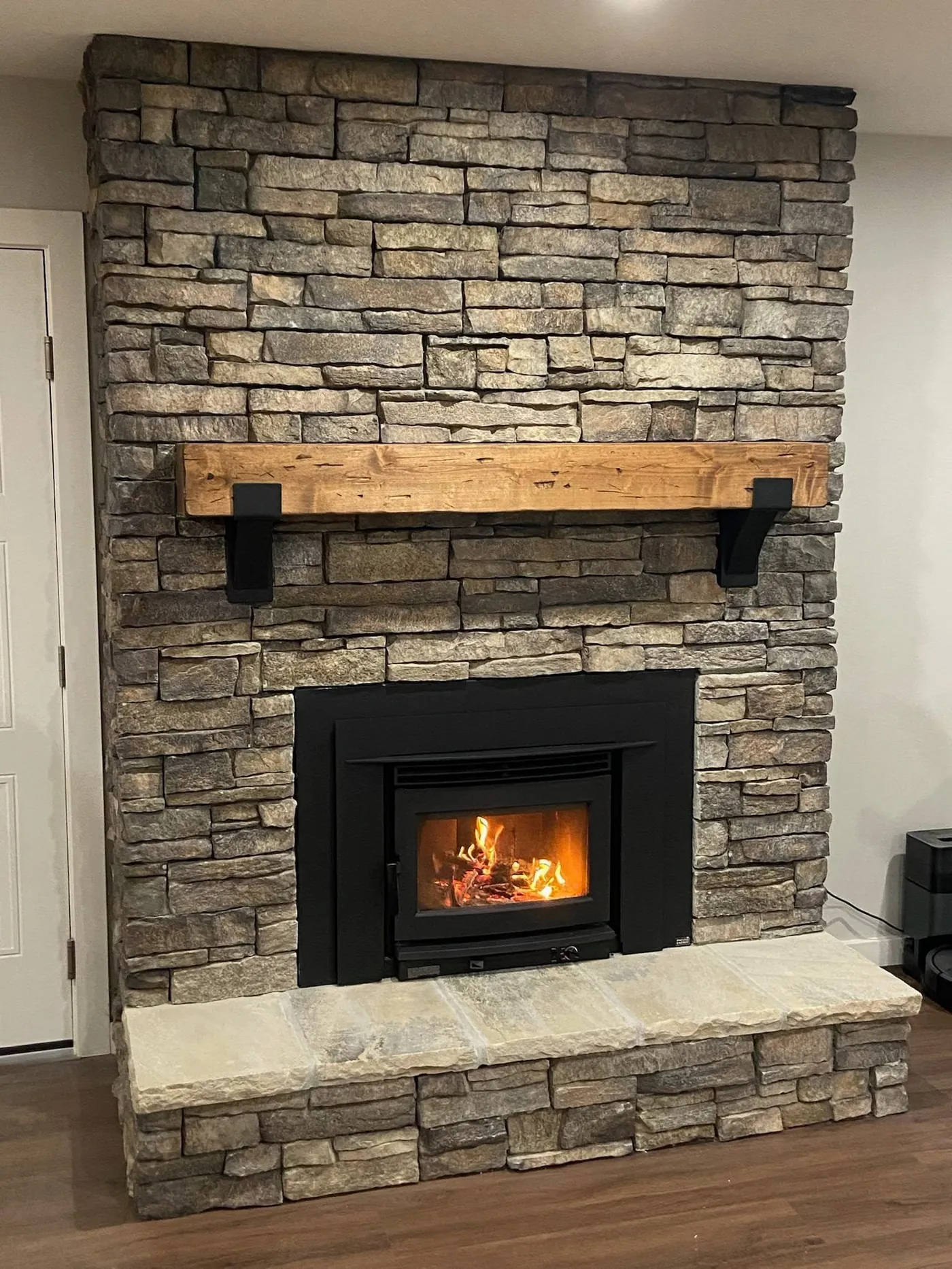
Repairs that make a tired fireplace safe and usable again.
Learn moreTalk to a Pittsburgh-area chimney and fireplace pro today.
412-459-7788