Chimney Cleaning
Removing soot and creosote to keep your flue drafting safely.
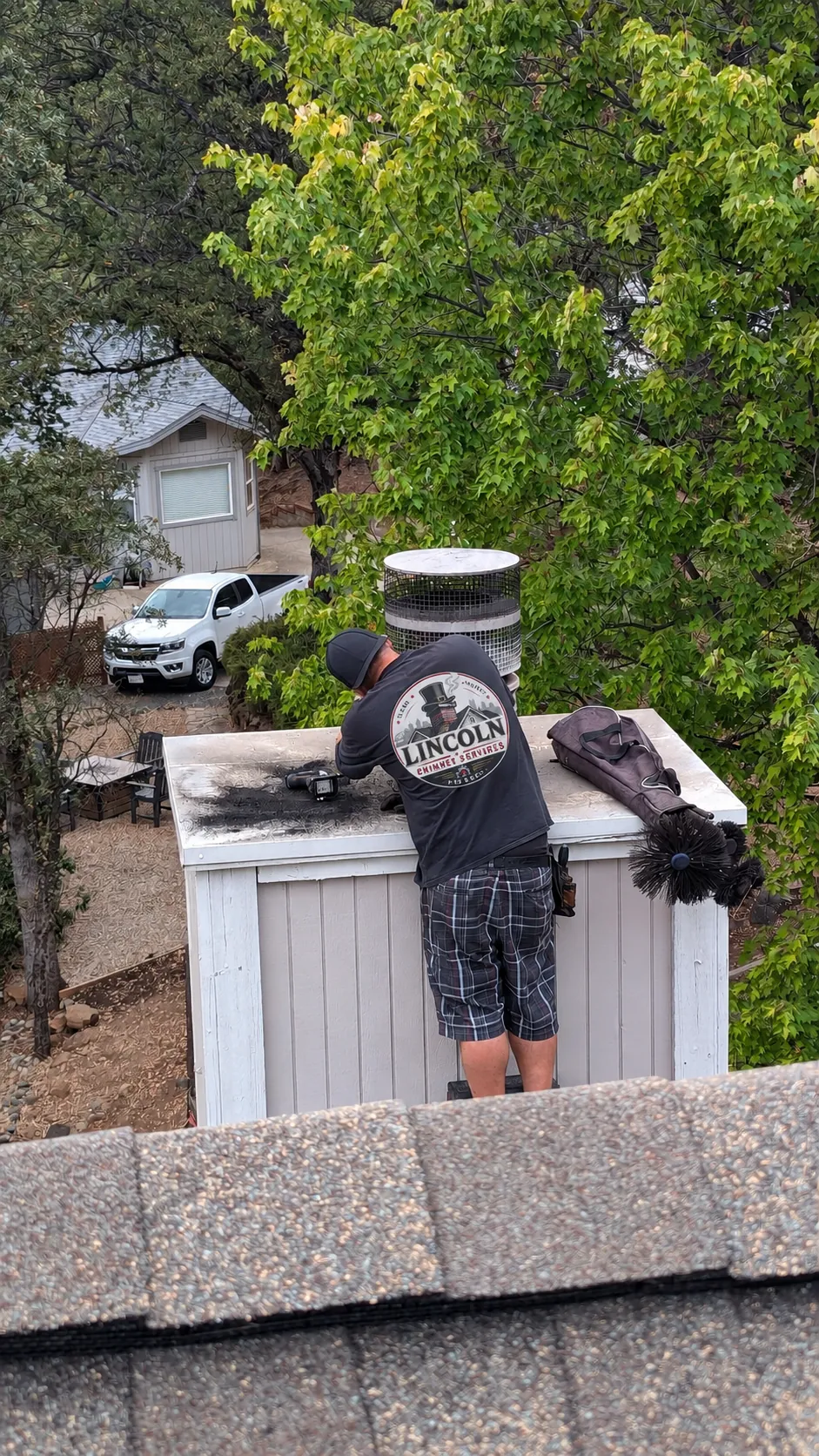
Learn moreChimney sweeping is the trade at the heart of what we do — clearing the flue of the soot and creosote that every wood fire leaves behind. The tools have modernized, but the job is the same one chimney sweeps have done for centuries: keep the passage clear so your fire draws well and vents safely. Lincoln Chimney Services sweeps chimneys throughout Pittsburgh and the surrounding area.
For most homeowners, sweeping and cleaning describe the same result: a clear flue. The word sweeping leans on the mechanical part of the work — running brushes and rods through the flue to knock buildup loose — while cleaning is the broader term that also covers vacuuming out the firebox, smoke shelf and damper area. When you call us for either, you get the complete job.

A full sweep addresses the whole path smoke travels, not just the straight run of the flue:

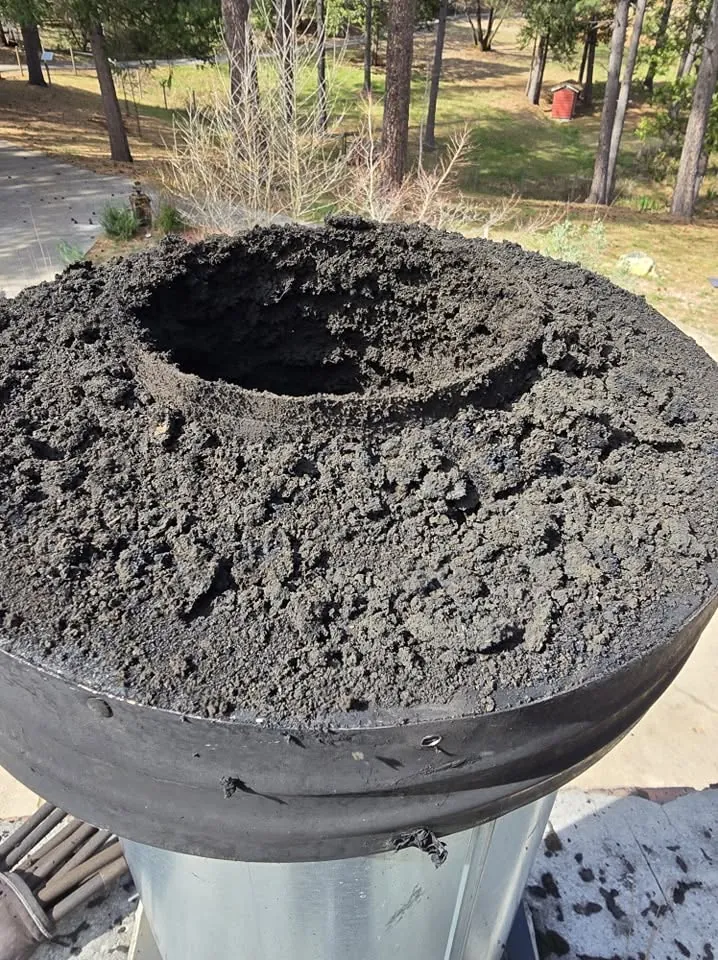
A flue coated in creosote is both a fire hazard and a draft problem. Buildup narrows the passage, which weakens the draw that pulls smoke upward — so more smoke lingers in the firebox and drifts into the room. Sweeping restores that clearance. It also removes the glazed, tar-like creosote that fuels chimney fires, and it gives the technician a clear view of the liner and masonry underneath.
We protect the hearth and seal the fireplace opening, then run brush-and-rod or rotary equipment through the flue while a HEPA vacuum captures airborne dust. We clear the smoke shelf and damper, check the cap, and note anything that looks worn or damaged along the way. When we're done the flue is clear, the workspace is clean, and you know the condition of what we swept.
A lot of homes in and around Pittsburgh have clay-tile flues that have been in service for decades. Clay grabs creosote more than a smooth metal liner, and cracked or offset tiles can hide buildup in places a careless sweep misses. We work these older systems carefully and flag any cracked tiles or gaps we find, since those affect both safety and how well the chimney will stay clean going forward.
A straightforward sweep of a single flue usually takes under an hour. Heavier buildup, multiple flues or hard glazed creosote can take longer. We'll give you a sense of timing when we see the chimney.
Often, yes. Much of that campfire smell comes from creosote on the flue walls, and clearing it usually reduces the odor. If the smell persists, it can point to moisture or a draft issue we can help diagnose.
Buildup you can see in the firebox, a smoky smell, poor draft, or simply a year or more since the last sweep are all good reasons. A quick inspection settles it.
Removing soot and creosote to keep your flue drafting safely.
Learn more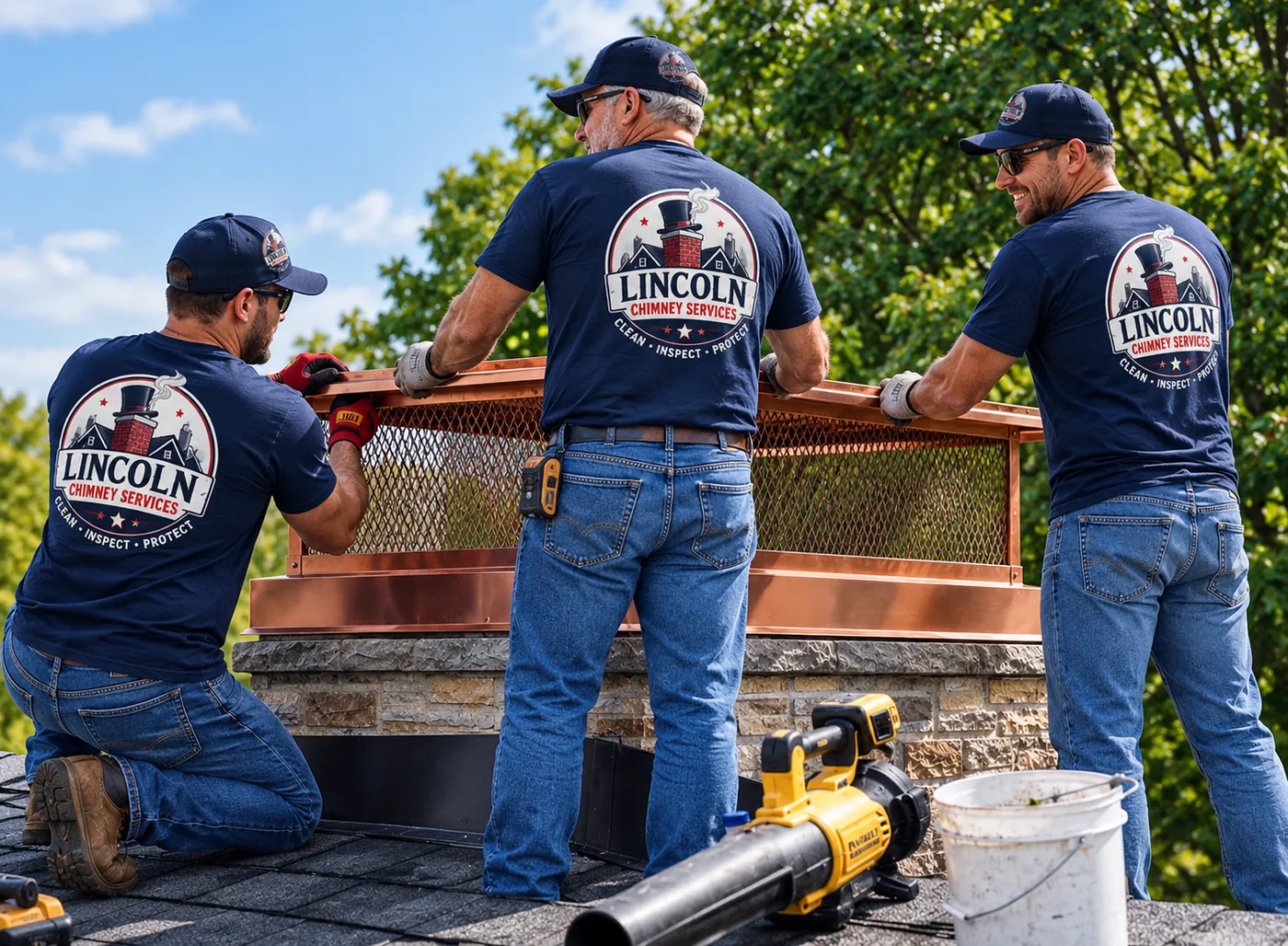
A thorough look at the structure, flue and connections.
Learn more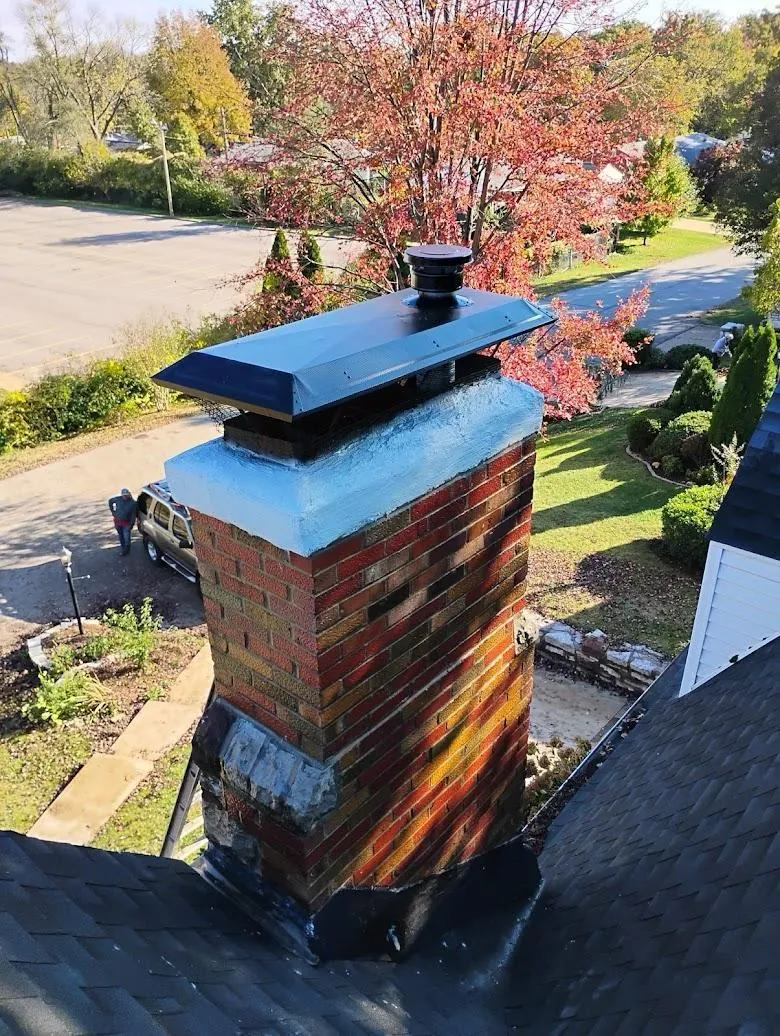
Fitting a cap to keep rain, animals and debris out of the flue.
Learn more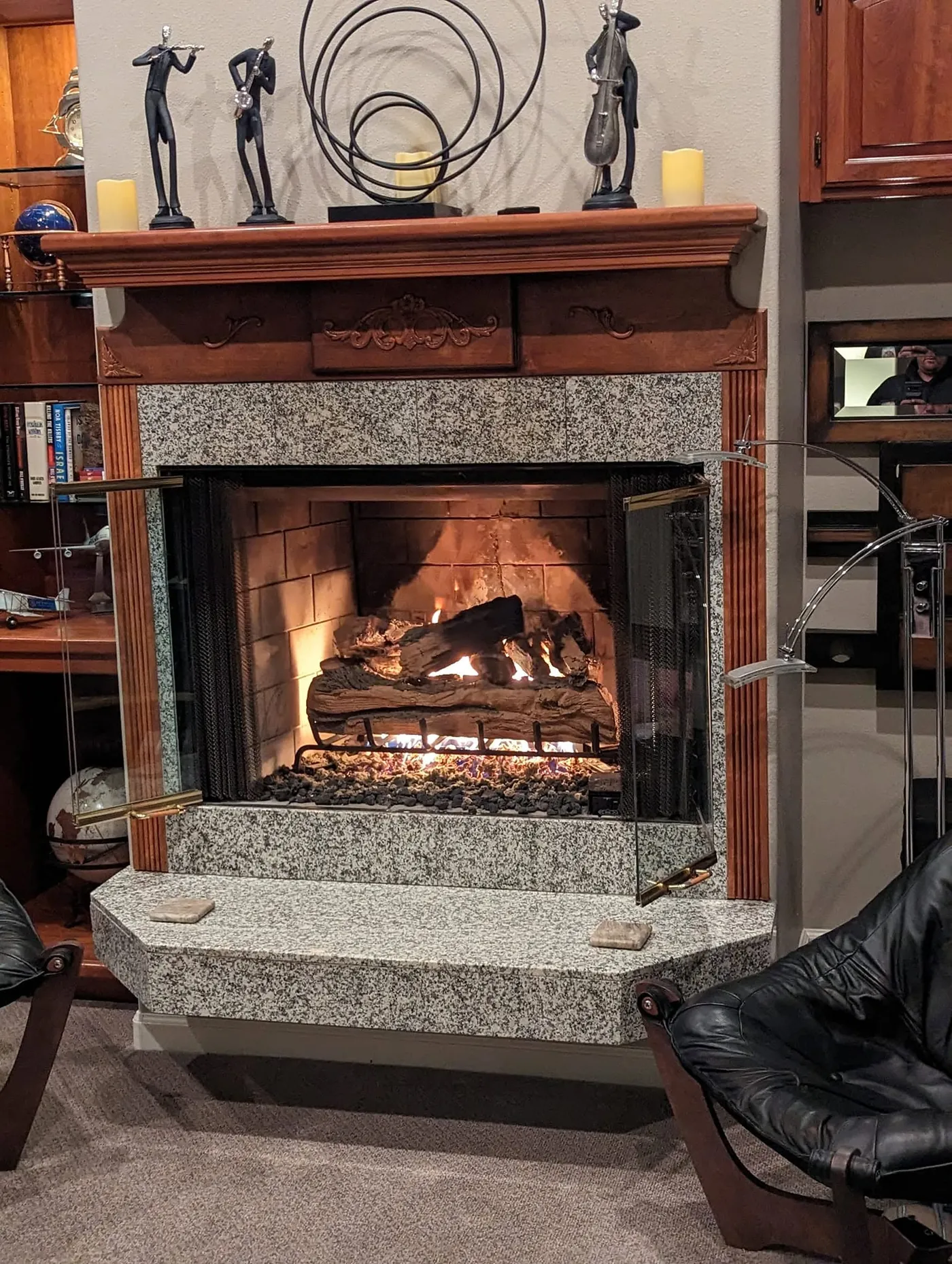
Confirming your chimney is safe to use before you light a fire.
Learn more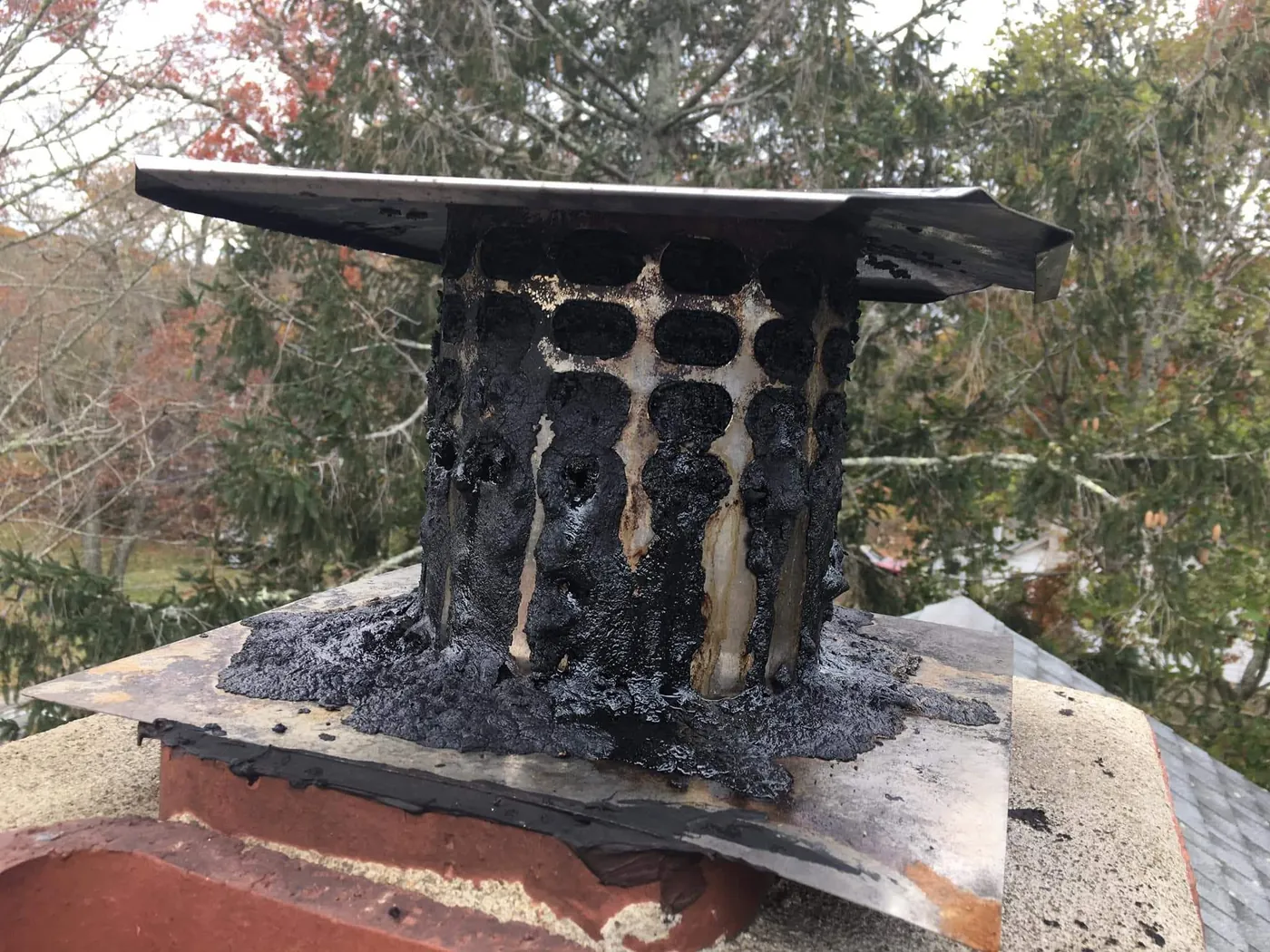
Installing a liner so the flue vents heat and gases safely.
Learn moreTalk to a Pittsburgh-area chimney and fireplace pro today.
412-459-7788