
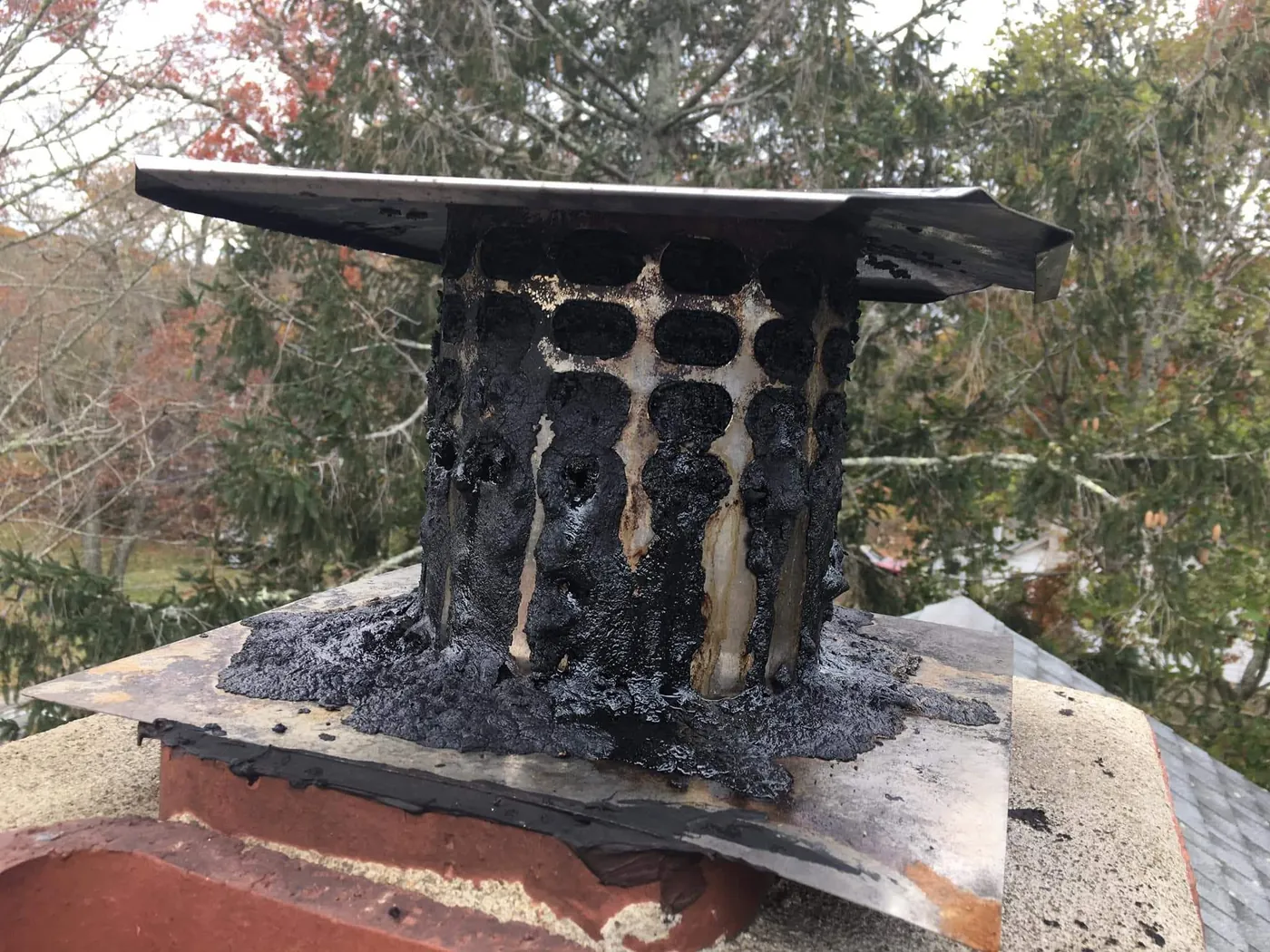
Stainless Steel Chimney Liner
A durable stainless liner sized to your appliance and flue.
Learn moreThe liner is the inner channel of the flue that contains the heat, smoke and gases of a fire and carries them safely out. Liner installation fits a new liner — commonly stainless steel — sized correctly to the fireplace or appliance it serves.
The liner is the inner channel of the flue that contains the heat, smoke and gases of a fire and carries them safely out. Liner installation fits a new liner — commonly stainless steel — sized correctly to the fireplace or appliance it serves.
The liner is the safety barrier between the fire and the rest of your house. A missing, undersized or damaged liner lets heat reach framing and lets combustion gases seep into the masonry. Installing a correct liner is fundamental to a chimney that's safe to use.
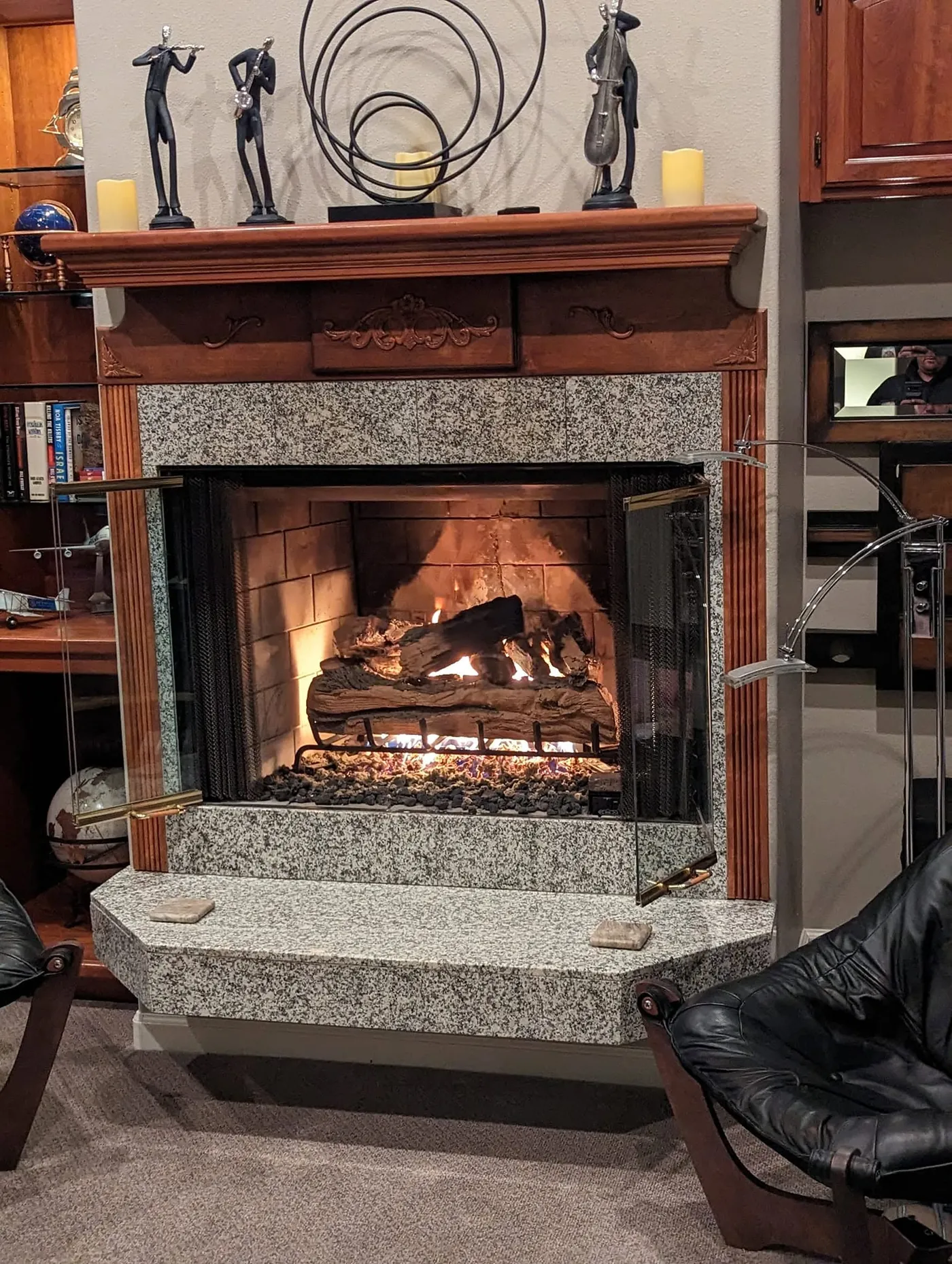
We match the liner to the appliance and flue for correct draft and safety.
We clear the flue and address anything that would interfere with the liner.
We run the new liner and connect it properly at the top and bottom.
We insulate where needed and finish with the correct cap and top connection.
Many older Pittsburgh homes have clay-tile flues that are cracked, offset or simply the wrong size for a modern insert or furnace. A stainless liner is the standard fix — it restores a safe, correctly sized flue inside the existing masonry chimney.
Common reasons: the chimney never had a proper liner, the clay tiles have cracked, or you've added a stove, insert or furnace that needs a different flue size. A correct liner makes the chimney safe for what it now vents.
It depends on the appliance — an undersized or oversized flue both cause problems. We size the liner to the specific fireplace, stove or appliance it serves.
A durable stainless liner sized to your appliance and flue.
Learn moreAddressing gaps and damage in an existing flue liner.
Learn moreReplacing a cracked or corroded liner that's no longer safe.
Learn more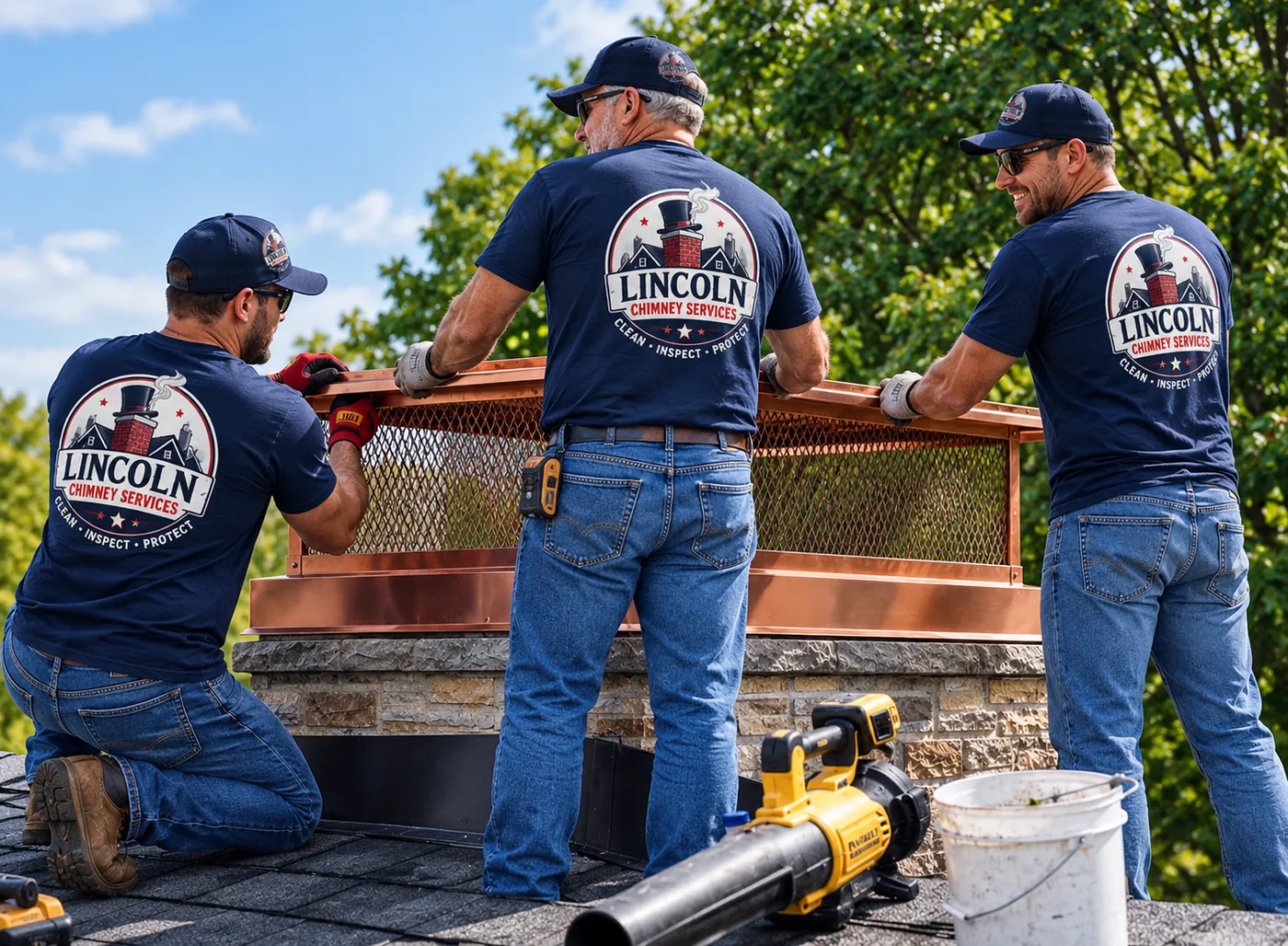
A thorough look at the structure, flue and connections.
Learn more
Installing wood, gas and insert fireplaces the right way.
Learn moreTalk to a Pittsburgh-area chimney and fireplace pro today.
412-459-7788