Chimney Liner Installation
Installing a liner so the flue vents heat and gases safely.
Learn moreA stainless steel liner is a flexible or rigid metal flue liner installed inside the chimney. It's the modern standard for relining a chimney — durable, corrosion-resistant, and sized precisely to the fireplace, stove, insert or furnace it serves.
A stainless steel liner is a flexible or rigid metal flue liner installed inside the chimney. It's the modern standard for relining a chimney — durable, corrosion-resistant, and sized precisely to the fireplace, stove, insert or furnace it serves.
Stainless has become the go-to liner because it solves the problems old clay-tile flues develop: cracks, wrong sizing and corrosion. Correctly sized and insulated, a stainless liner gives you strong, safe draft and a flue that stands up to heat and moisture far better than aging tile.
We match the liner diameter to the appliance for proper draft.
We clear the flue and address obstructions.
We run the stainless liner and insulate it for performance and safety.
We finish the top and bottom connections and fit the correct cap.
For the countless older masonry chimneys around Pittsburgh, a stainless liner is often the ideal upgrade — it modernizes the flue inside the existing brick, which is exactly what you want when the chimney's exterior masonry is worth preserving.
Stainless resists cracking, corrosion and heat far better than clay, installs inside an existing chimney without rebuilding it, and can be sized exactly to your appliance. It's the modern standard for relining.
Often, yes. Insulation improves draft, keeps the flue warmer for cleaner burning, and adds a safety margin. We insulate where the installation calls for it.
Installing a liner so the flue vents heat and gases safely.
Learn moreReplacing a cracked or corroded liner that's no longer safe.
Learn moreAddressing gaps and damage in an existing flue liner.
Learn more
Installing wood, gas and insert fireplaces the right way.
Learn more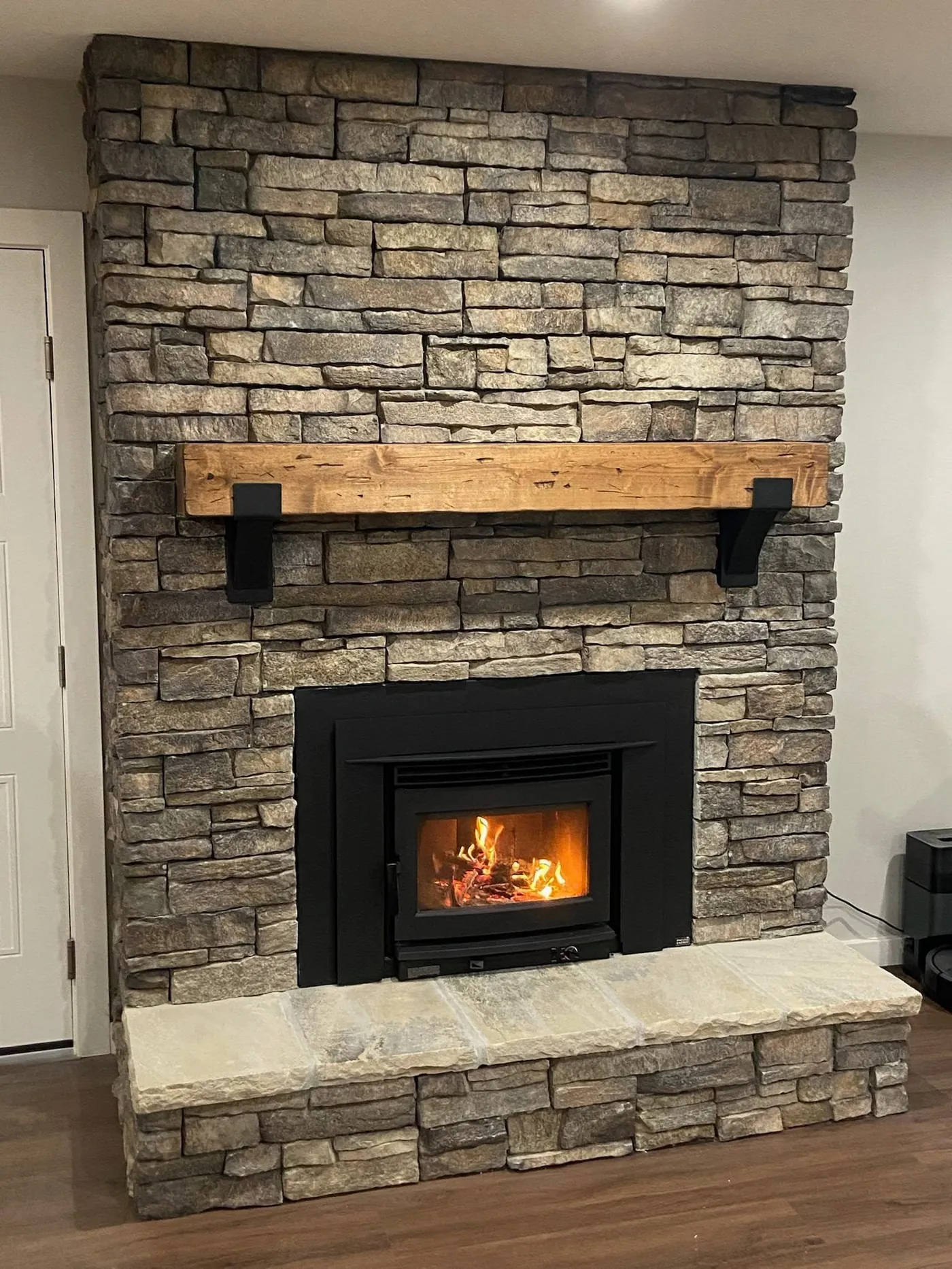
Service and repair for wood-burning fireplaces and inserts.
Learn moreTalk to a Pittsburgh-area chimney and fireplace pro today.
412-459-7788