Level 1 Chimney Inspection
The standard yearly check for a chimney in regular use.
Learn moreA chimney inspection is a structured examination of your chimney's structure, flue and connections to confirm it's safe to use and to catch problems while they're still small. Depending on the situation, that ranges from a standard visual check to a camera-assisted look inside the flue.
A chimney inspection is a structured examination of your chimney's structure, flue and connections to confirm it's safe to use and to catch problems while they're still small. Depending on the situation, that ranges from a standard visual check to a camera-assisted look inside the flue.
A chimney is largely hidden — most of it is inside a masonry shaft or above the roofline where you never see it. An inspection is how you learn what's actually happening in there: whether the liner is intact, whether water is getting in, and whether it's safe to light a fire. It's the foundation every other repair decision rests on.
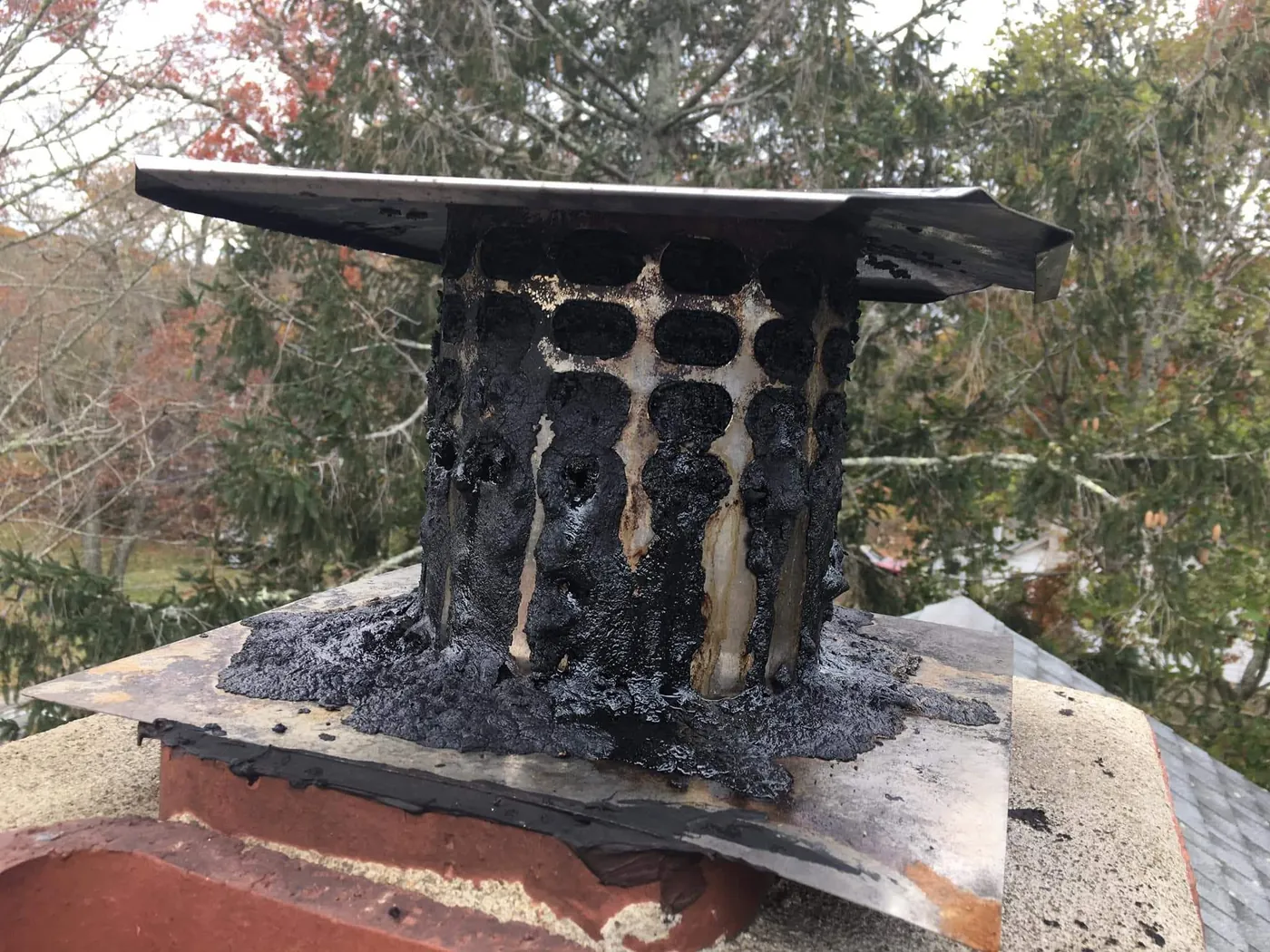
We look at the crown, cap, flashing and the masonry above the roof, where weather does the most damage.
We check the firebox, damper and smoke chamber from inside the home.
When the situation calls for it, we run a camera up the flue to see the liner's condition directly.
We walk you through what we found in plain terms, with clear next steps if anything needs attention.
Older masonry chimneys are common across Pittsburgh, and decades of freeze-thaw cycles take a toll on crowns, mortar and liners that isn't visible from the ground. A regular inspection is the most reliable way to stay ahead of that slow, weather-driven wear before it turns into water damage or an unsafe flue.
For a chimney in regular use, a yearly inspection is the standard recommendation. Pair it with cleaning as needed and you'll rarely be caught off guard by a major repair.
There are three. A Level 1 is the standard visual check for a chimney in normal use. A Level 2 adds a camera scan of the flue and is used for home sales, appliance changes or after an event like a chimney fire. A Level 3 involves opening up parts of the structure and is reserved for serious hidden damage.
A Level 1 visual inspection is usually well under an hour. A camera-assisted Level 2 takes longer because we're documenting the full flue interior.
Cleaning includes a look at what we can reach, but a dedicated inspection is more thorough — especially a camera scan of the flue. Many homeowners do both.
The standard yearly check for a chimney in regular use.
Learn moreA camera-assisted inspection for sales, changes and events.
Learn more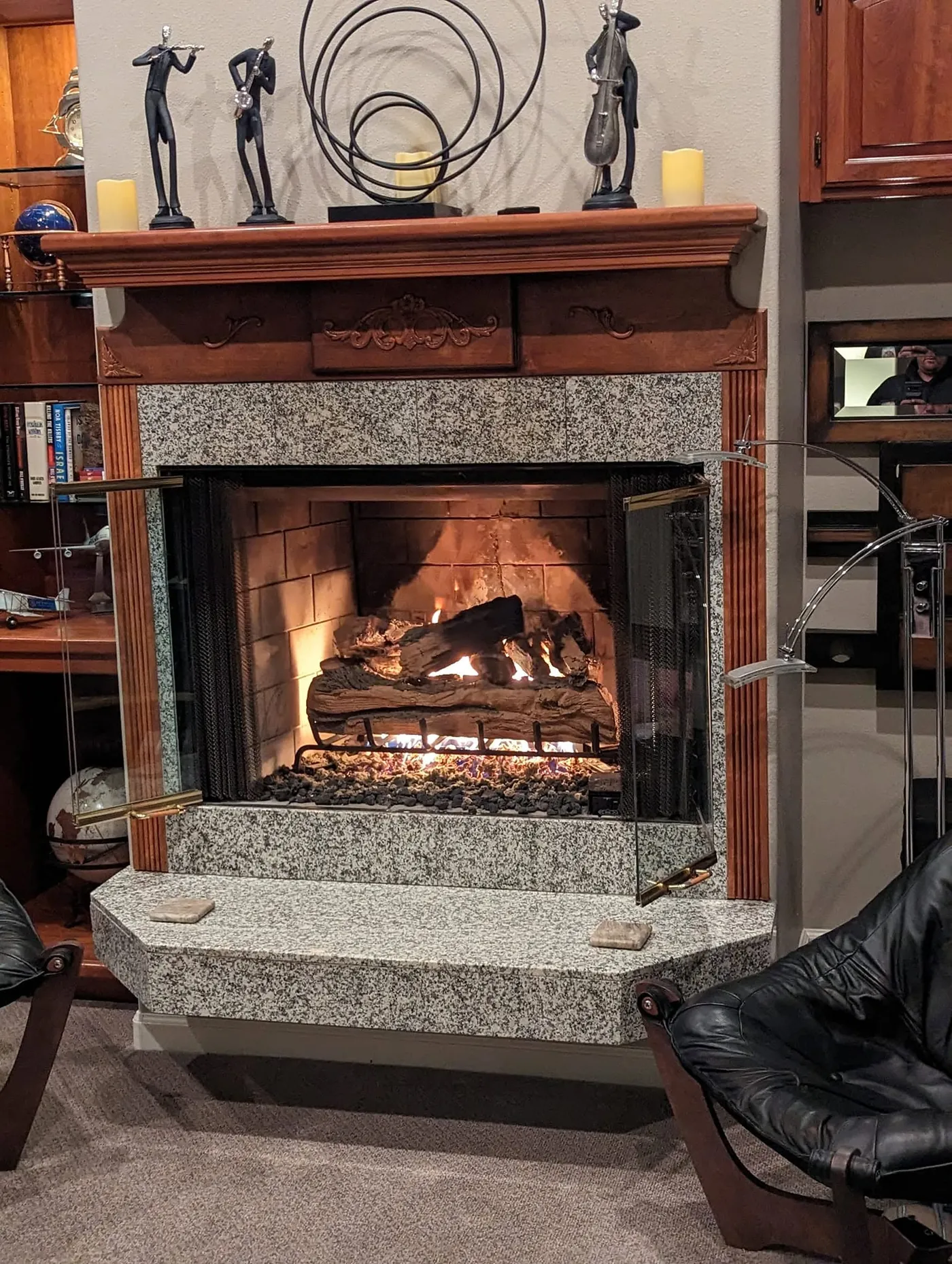
Confirming your chimney is safe to use before you light a fire.
Learn more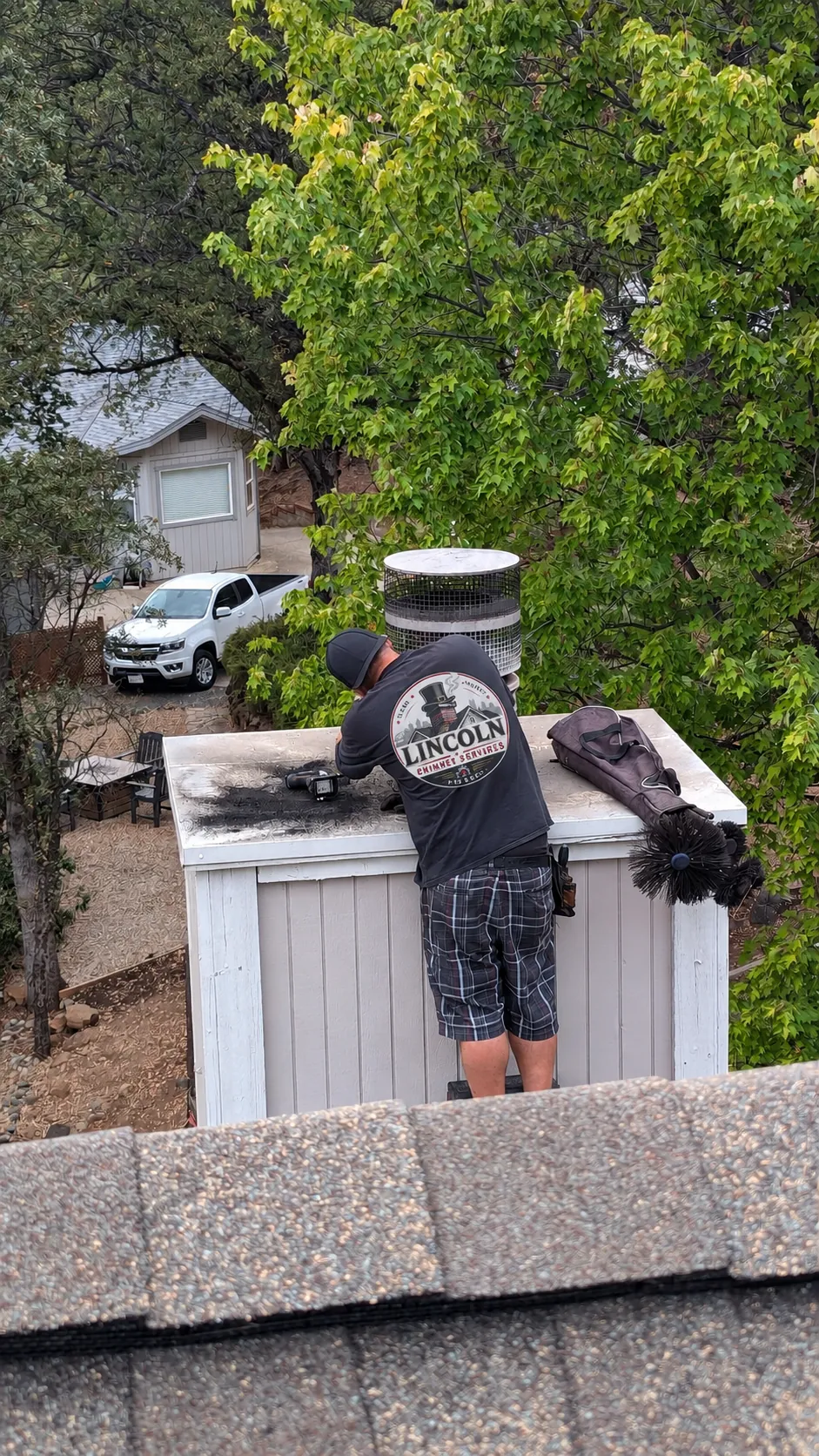
Removing soot and creosote to keep your flue drafting safely.
Learn moreChecking the firebox, damper and connection to the flue.
Learn moreTalk to a Pittsburgh-area chimney and fireplace pro today.
412-459-7788